Commercial cleaning and food safety professionals in Brampton assist food establishments, food centers, baking facilities, warehouses, and food service operations maintaining standards. They decontaminate high-contact points, food preparation surfaces, equipment, floors, drains, restrooms, and prep zones using certified products, maintaining proper ratios, and recording exposure duration. You need regular sanitation determined by hazard level, volume, allergens, and inspections, plus verification records that support Hazard Analysis Critical Control Points, audits, and regulatory adherence. The following information outlines what strong sanitation programs must contain.
Main Points
- Brampton food safety cleaning experts service restaurants, grocery departments, commissaries, warehouses, bakeries, schools, mobile vendors, and allergen-sensitive operations.
- Frequently contacted areas, food-contact equipment, kitchens, floors, drains, restrooms, and storage areas are disinfected using sectional methods to eliminate cross-contamination.
- Filing of finishing through checks, reviews, and action records confirms certified vendors have checked proper chemical concentration, compatibility, and exposure duration.
- Effective maintenance timelines factor in hazard, production volume, changeovers, accidents, and standards when assigning daily, weekly, and cyclical activities by zone.
- Choose vendors with hazard analysis knowledge, sanitation, expertise, WHMIS, instruction, protection, references, colour-coded implements, and compliance-ready cleaning records.
Which Brampton Operations Need Food Safety Cleaning?
You must maintain food safety cleaning if your operation is subject to public health review, food regulations, or HACCP systems. This covers eateries, dining areas, supply warehouses, retail departments, meat counters, fish departments, general stores, and facility-based kitchens.
Documented food safety measures is needed in warehouses, food manufacturing plants, cold storage sites, retail bakeries, school nutrition programs, banquet halls, and meal delivery hubs. Portable temporary ventures apply similarly, such as food trucks, event sellers, and temporary stalls. Your establishment needs written cleaning standards whenever your workers process ingredients, portion ready-to-eat items, reheat products, or store allergens. In Brampton, hygiene stays optional; it constitutes regulatory, business, and safety compliance.
Which Areas Do Brampton Cleaning Experts Cover?
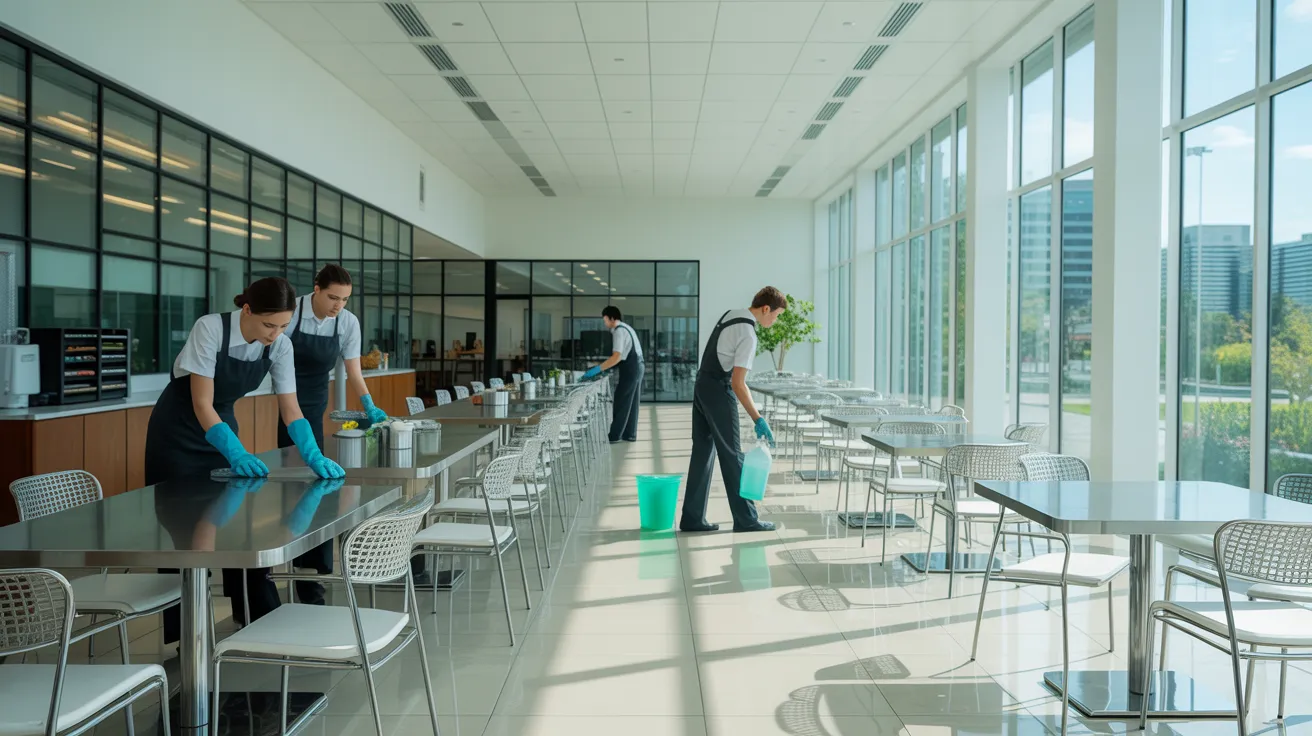
Professional cleaning teams specializing in Brampton disinfect high-contact surfaces, kitchen facilities, floors, and restrooms in compliance with food safety regulations. Focus on these locations occurs because they pose maximum contamination danger, injury hazards, and compliance issues.
When you know their cleaning scope, you can verify that your facility's cleaning scope meets compliance and operational standards.
High-Touch Surface Cleaning
Brampton sanitation experts prioritize high-touch surface sanitizing because these frequently handled surfaces can spread microbes and organic matter throughout a space. You need a written protocol for disinfecting door handles, push plates, switches, railings, shared equipment controls, POS terminals, and refrigerator pulls. Employing touchpoint mapping, specialists identify every commonly touched area and determine cleaning timing
following sequential processes, and dividing sanitization equipment by zone
Kitchens, Floors, and Restrooms
Brampton cleaning services focus on kitchens, floors, and restrooms as each zone involves different sanitation, accident, and wellness risks. In industrial kitchens, you need grease removal from cooking stations, appliance surfaces, drain systems, preparation areas, and backsplashes to reduce contamination and pest pressure.
Floor care that is recorded should equally be anticipated. Technicians clean and remove buildup from tile grout, ceramic surfaces, and vinyl floors, then apply proper moisture management so you can reduce slip incidents and maintain code-compliant conditions. They also handle entry points where dampness and dirt enter the building.
For restroom sanitation, cleaners sanitize touchpoints, fixtures, partitions, dispensers, and waste containers, then replenish amenities and manage odor. They also service restaurant moprooms, where chemical storage, sink hygiene, and drainage conditions can affect sanitation compliance and staff safety daily.
Food Safety Cleaning Significance for Brampton Businesses
In Brampton, you must maintain food-safe cleaning standards to meet regulatory standards and achieve compliance. You also reduce cross-contamination by cleaning and sanitizing food-contact surfaces, equipment, and high-touch refer to this page areas correctly. Most importantly, you help protect community wellness by reducing the chance of food poisoning in your establishment.
Sanitary Standards Adherence
Because Brampton food operations operate under mandatory safety protocols, food safety cleaning directly affects your ability to meet health code requirements, defend customers, and sidestep enforcement action. You must maintain hygienic food handling zones, recorded sanitation plans, correct sanitizer application, and auditable operational standards that align with municipal and provincial inspection expectations.
During inspections of your operation, regulators analyze if your cleaning procedures ensures safe storage, appliance cleanliness, waste handling, and bathroom upkeep.
Cross-Contamination Prevention
Maintaining health code standards copyrights on your power to stop cross-contamination during everyday food preparation and sanitation. You need to partition uncooked items from finished dishes, sterilize work zones between assignments, and store chemicals away from food-contact items. Explicit protocols lower contamination threats and support consistent compliance during inspections.
You should implement allergen segregation to keep priority allergens from contacting common work areas, storage bins, or tools. Use dedicated cutting boards, color-coded tools, and strict utensil labeling so employees avoid combining products throughout cooking or serving. Require handwashing after handling uncooked proteins, shellfish, egg items, or allergen products. Change cleaning rags frequently, and verify sanitizer strength with test strips. When you train staff to follow these controls every shift, you create a cleaner, safer operation that meets Brampton's food safety expectations consistently.
Public Health Safeguarding
When food safety cleaning deteriorate, you don't only risk a failed inspection—you raise the likelihood of foodborne illness striking customers, staff, and the larger Brampton community. You also undermine your responsibility in safeguarding community wellness, especially in busy food facilities where contamination can spread quickly through surfaces, equipment, and touchpoints.
You must implement sanitation protocols that remove soils, effectively sanitize, and verify results. This entails adhering to contact periods, deploying approved disinfectants, maintaining records, and coaching staff to fulfill compliance standards. These initiatives promote disease prevention by suppressing pathogens before affecting food surfaces or hands. In Brampton, robust sanitation protects at-risk groups, minimizes disease spread, and demonstrates accountability. When you maintain standards, you go beyond regulations—you meaningfully lower danger and advance safer food handling throughout the city.
How Does Cleaning Support Food Safety Compliance?
Implementing comprehensive cleaning schedules bolsters food safety compliance by decreasing contamination threats, controlling pathogen growth, and keeping your facility aligned with sanitation requirements under HACCP-based programs and public health regulations. You verify that food-contact surfaces appear visibly clean and microbiologically controlled, supporting documented preventive controls and inspection readiness.
Cleaning efforts additionally upgrade allergen control by removing residues that can provoke undeclared allergen exposure.
Determining When to Schedule Commercial Cleaning
surfaces can accumulate contamination
You should also arrange periodic tasks on their own
Selecting the Right Brampton Cleaning Experts: Key Considerations
Start by screening providers against food sanitation standards, not cost only. You should verify that each company understands CFIA, public health, and HACCP-aligned expectations relevant to your facility. Ask for insurance documentation, WHMIS compliance, documented staff training, and supervision practices. Review whether technicians understand cross-contamination risks, chemical handling, and traceable sanitation records.
You should also assess operational reliability and accountability. Request references from Brampton food businesses, then examine response times, corrective actions, and communication standards. Confirm the company participates in supplier audits and can present audit-ready records when regulators or third parties request evidence. Check whether equipment is maintained is performed, colour-coded tools are used appropriately, and site-specific hazards are recognized. A qualified provider protects regulatory adherence, product integrity, and your brand reputation.
What details should a sanitation plan contain?
Put together a written plan that establishes every sanitation duty, standard, and accountability before production begins. You should list cleaning intervals, permitted substances, dilution percentages, exposure times, instruments, and inspection methods for each sector, surface, and equipment. Make sure to include pre-operational inspections, corrective actions, and employee training requirements.
Your strategy should also address prevention of contamination, waste management, pest-control tactics, and scheduled records for restrooms, drains, floors, and food-contact areas. Specify how you'll separate raw and ready-to-eat processes, support ingredient tracking, and maintain accurate allergen labeling through validated cleaning between product changes. You should establish accountability, document signed records, and assess results against regulatory standards, HACCP controls, and customer requirements. When gaps appear, update procedures immediately and instruct staff.
Commonly Requested Inquiries
Can sanitation providers support nighttime operations in Brampton facilities?
If you operate controlled facilities, you'll also require records that support inspections and maintain compliance.
Do Brampton cleaning experts offer emergency spill response solutions?
Yes, you can find many Brampton sanitation professionals who provide emergency spill response services. They manage hazardous materials, evaluate dangers, contain contamination, and begin swift cleanup to reduce exposure and prevent business interruption. You should confirm response times, professional credentials, safety procedures, and waste management. If your facility must meet regulatory requirements, choose a provider that documents incidents, maintains regulatory procedures, and enables compliance verification.
Will eco-friendly disinfectants protect safely food-handling equipment?
In essence, green disinfectants prove safe for food-contact surfaces provided you choose products labeled food safe that adhere to regulatory standards. Check contact times, concentration levels, and rinse protocols in advance of use. Plant-derived products lower toxic chemical contact, although you must have proof of efficacy against specific pathogens. To preserve residue-free areas, adhere to precise manufacturer instructions and ensure the disinfecting agent meets food industry regulations.
Can cleaning plans be modified for seasonal shifts?
Yes, you can tailor cleaning plans for seasonal production changes. You should adjust intervals, personnel, cleaning agents, and testing procedures to correspond to seasonal patterns while upholding compliance standards. You'll reduce operational delays by planning cleaning around line changes, peak seasons, and operational patterns. You should further modify standard operating procedures, staff education, and monitoring protocols to address seasonal hazards, novel allergens, or higher contamination levels. Ongoing evaluations keep your strategy current.
Are commercial cleaners providing employee instruction on sanitation best practices?
Certainly, commercial cleaners coach your staff on hygiene protocols. You secure employee development on correct chemical practices, contact times, cross-contamination prevention, equipment disassembly, and documentation. They generally coordinate instruction with HACCP, GMP, and CFIA or regional health bodies standards. Many also run sanitation audits to verify compliance, uncover shortcomings, and reinforce corrective actions. This enables you to maintain consistent procedures, satisfy audits, and minimize foodborne pathogen risks daily.
Summary
Partnering with Brampton commercial cleaning and food safety professionals goes beyond tidying—it ensures your facility meets inspection standards and your standards remain compliant. From processing facilities to kitchens, each sanitized surface and organized section reduces health hazards and prevents major expenses. By scheduling maintenance on appropriate schedules and implementing a thorough cleaning program, you protect staff, clients, and your reputation. In a heavily regulated sector, sanitary conditions can't be overlooked—they're vital to proper management.